Current topics
Training & research
Nationally
NextGen Swissrail Workshop on Cost Reduction
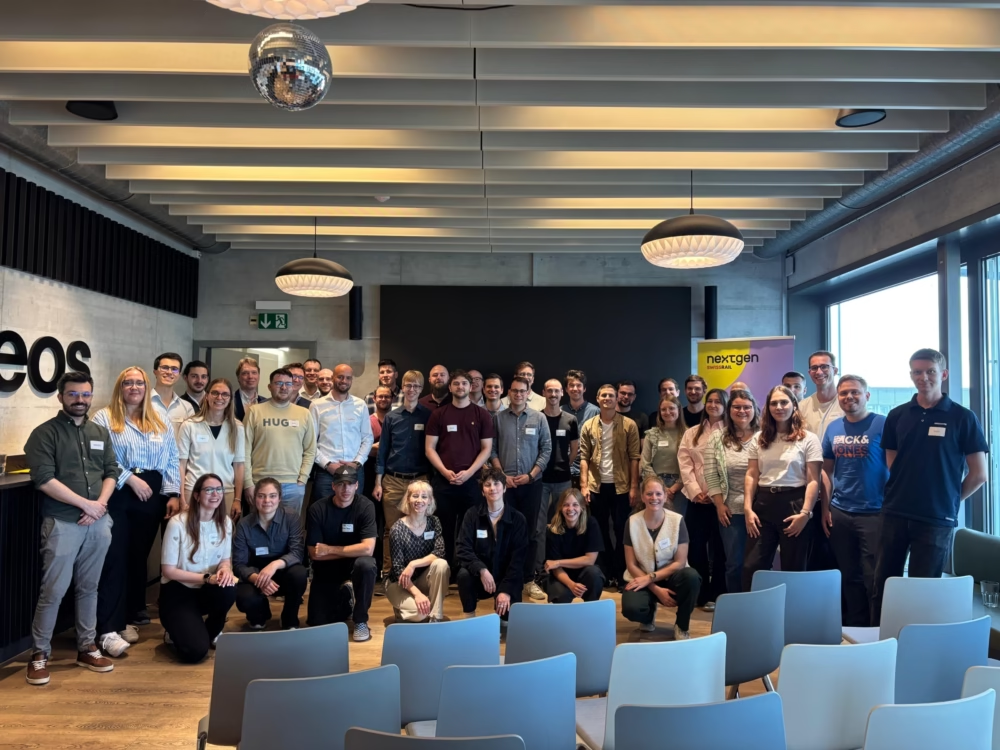
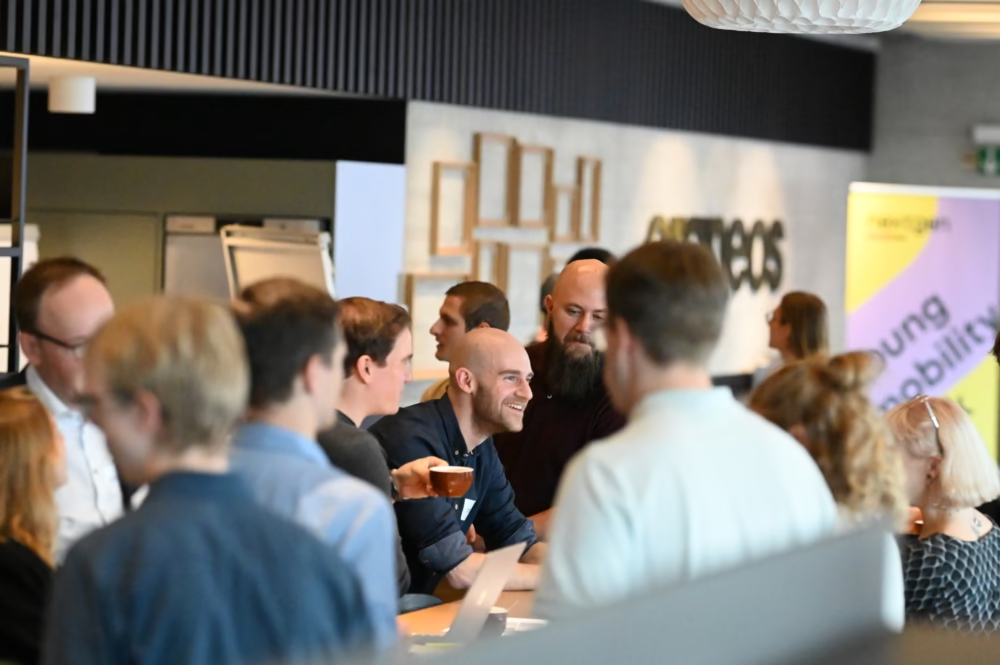
What happens when 40 young professionals from across the rail industry put their heads together? Exactly – the system is turned upside down, supposedly established practices are critically questioned and new approaches are created.
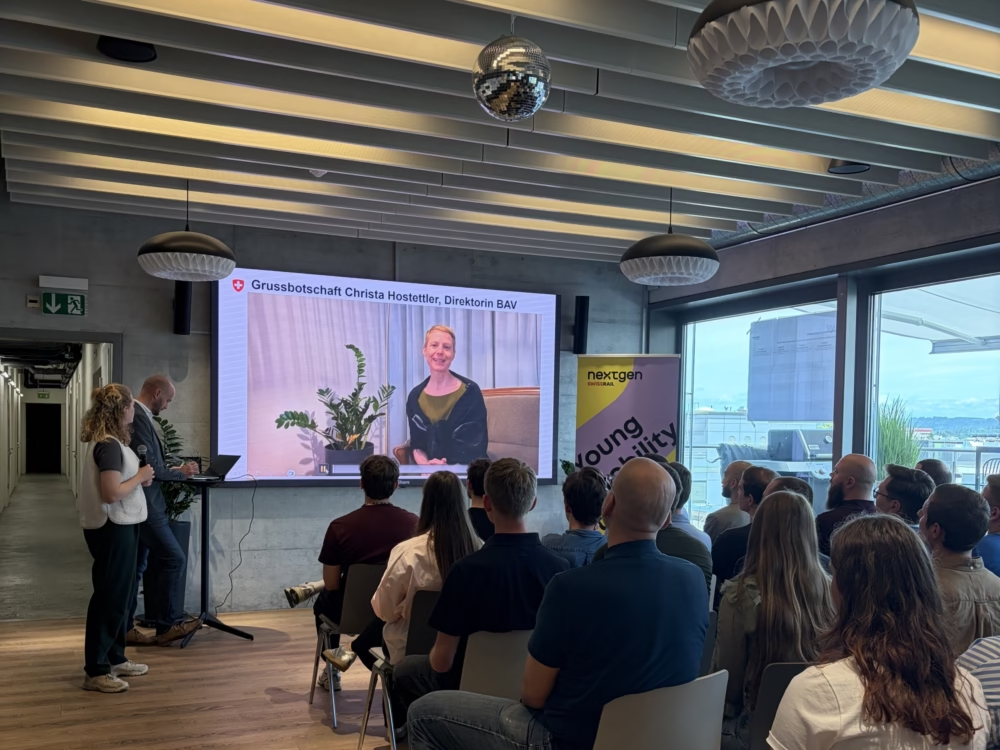
Rising costs in the rail system are among the key challenges for the sustainable development of public transport in Switzerland. Accordingly, the Federal Office of Transport (FOT) is treating the topic of “keeping costs under control” as a high priority and is inviting the industry to contribute ideas and take action. In discussions with Director Christa Hostettler, Swissrail was encouraged to actively support the topic from the perspective of the industry and to contribute concrete proposals.
Swissrail has taken up this mandate and has already addressed the topic of cost reduction in several initiatives. Together with SBB, BLS and SOB, for example, the vehicle approval process was analysed and proposals were developed on how costs could be reduced without compromising quality and safety standards. The results were presented to the FOT, discussed jointly and taken into account in the revision of the 2028 regulatory framework.
Like the FOT, Swissrail also sees great potential in new, collaborative forms of cooperation. As part of the implementation of the ERTMS strategy, Swissrail is committed to examining alliance models and advancing the digital transformation of the rail system through innovative, collaborative set-ups.
One thing is clear: the rail system needs change – as does the way we collaborate within the industry. Sustainable cultural change and the further development of existing processes can only succeed through new perspectives. This is exactly where the NextGen comes into play.
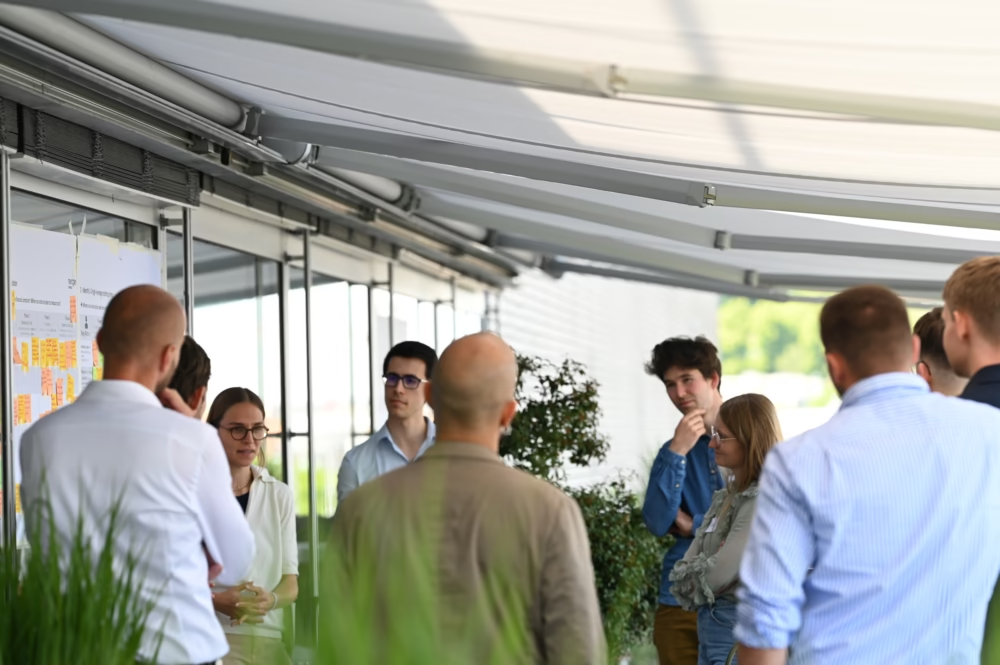
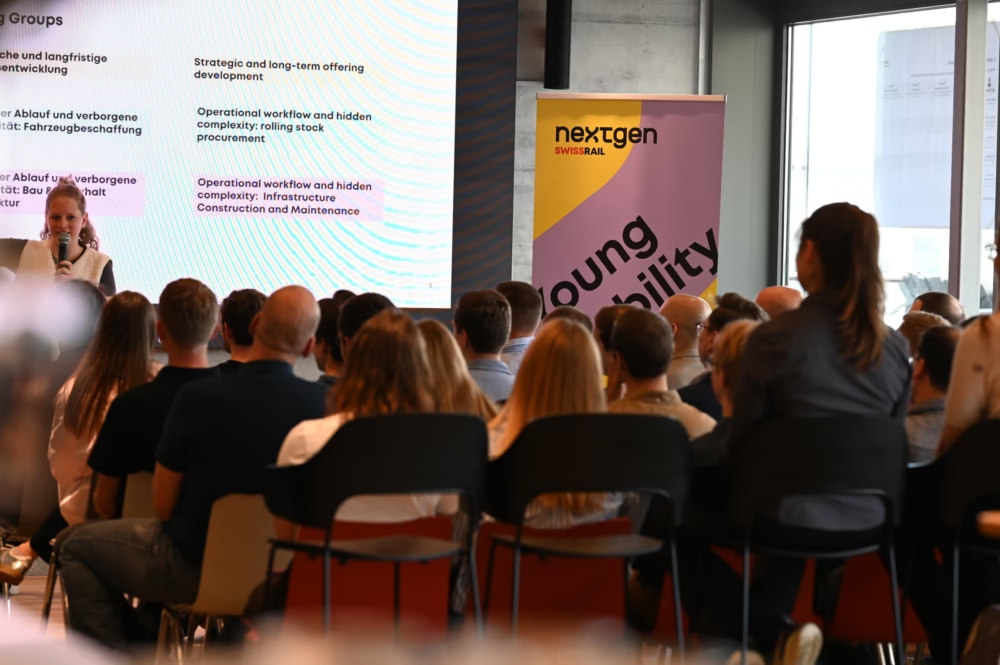
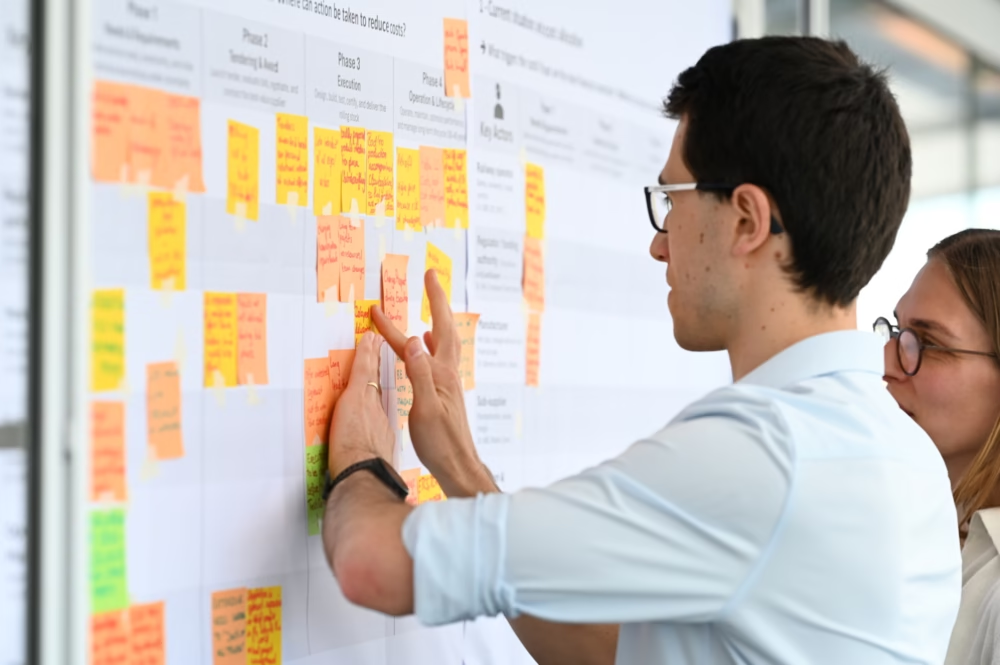
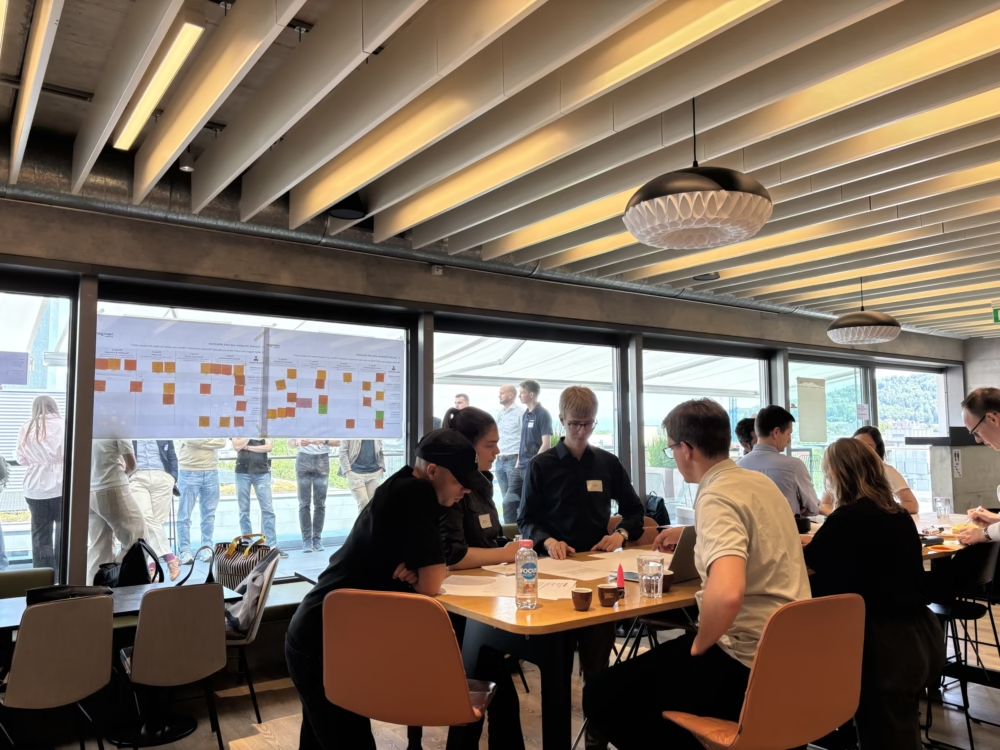
In a workshop with around 40 young professionals from across the rail industry, we deliberately questioned the current rail system. Existing processes were critically analysed, cost-driving factors identified and innovative approaches discussed. The focus was on long-term service development, the overall rolling stock procurement process, as well as the construction and maintenance of infrastructure. The key question was: where do avoidable costs arise in the rail system – and how can they be reduced?
The most important findings from the different focus areas:
Service development: We need a consistently demand-oriented service offering and want to unlock additional efficiency potential in operations through new technologies – with the aim of attracting more people to rail transport.
Rolling stock procurement: One striking finding is that many costs arise towards the end of the value chain, while they can mainly be influenced or avoided at the beginning of the rolling stock procurement process.
Construction and maintenance of infrastructure: Standards and regulations in rail infrastructure are partly outdated. We see significant potential in critically reviewing existing standards under today’s framework conditions.
We are convinced that the younger generation, which will take responsibility for a sustainable, safe and economically viable rail system in the future, must be able to actively contribute its perspectives to the discussion. The results of the workshop are now being prepared and shared with the industry. Because the NextGen does not just want to have a say – it wants to actively shape the mobility of the future.
NextGen Swissrail – because networking matters
We give the younger generation a voice and a platform to contribute ideas, help shape the future and remain actively involved in the industry over the long term.
Note on the translation: this text was translated using AI and checked by us. If you find any mistakes or something that is not clear, please let us know.
More topics
Discover interesting topics
How to Secure the Future of Your Company – The Railway Talent Hub Initiative
learn more
- Training & research
Three decades of InnoTrans – Interview
learn more
- Globally
Focus on Infrastructure 2026
learn more
- Infrastructure
- Nationally